Full Manufacturing Process of Silicone Rubber

From raw material formulation to final product shipment, every process strives for perfection, guarding the quality of each product with strict craftsmanship.

Overview of Manufacturing Process

From raw material formula design to finished product inspection and shipment, 8 core processes are closely linked

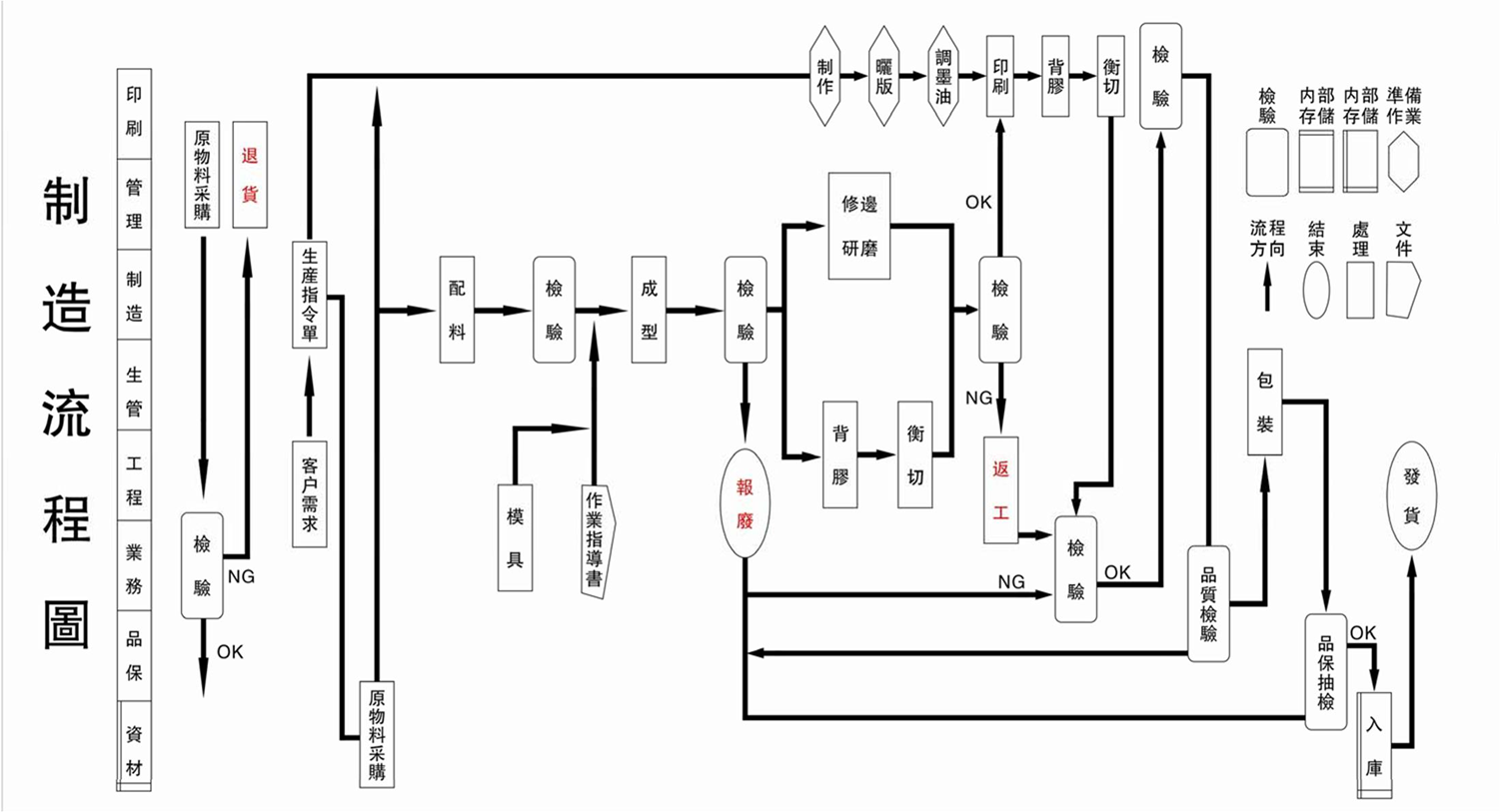
硅橡胶制造工艺流程图
STEP 01

Material Prep & Formula Design

Before production, select materials and design formulas based on product applications (electronics, medical, automotive, industrial sealing, etc.) to lay the foundation for product performance.

  • Select high-quality silicone rubber or rubber substrates
  • Add reinforcing fillers (like silica) to enhance mechanical strength
  • Accurately add vulcanizing agents, colorants, and anti-aging agents
  • Adjust hardness, elasticity, and temperature resistance as needed
  • Fully comply with RoHS / FDA international environmental requirements
Purpose: Ensure physical properties, temperature resistance, aging resistance, and environmental compliance

⚗️

Key Formula Indicators

-60°C
Low Temp. Resistance
+250°C
High Temp. Resistance
20–80
Shore Hardness Range
FDA✓
Food Grade Cert.
STEP 02

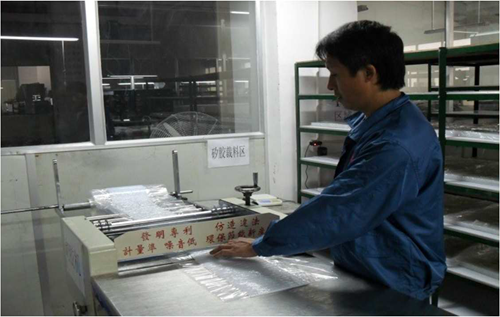
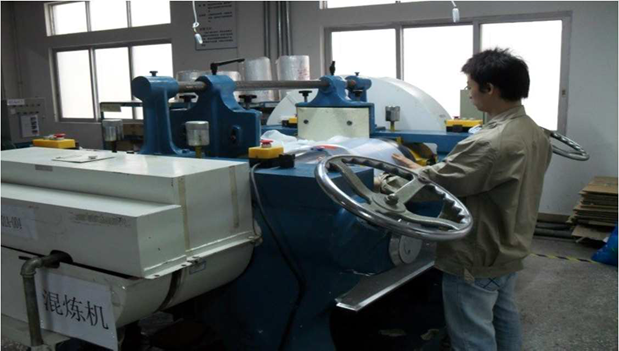
Mixing Process

Mixing is the most critical pre-treatment step in production, directly affecting the consistency and stability of subsequent molding quality.

Process Flow:

  • Put raw rubber into an internal mixer or open mill
  • Add fillers, additives, and color masterbatch according to formula
  • Repeatedly roll and mix to evenly disperse materials
  • Strictly control temperature to prevent premature vulcanization
  • After mixing, sheet out, cool, and store for use
Dispersion Uniformity Control Material Plasticity Retention Anti-bubble & Anti-impurity
Guarantee stable material performance and product consistency
STEP 03

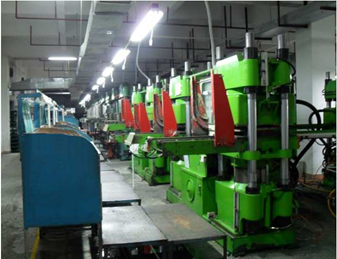
Compression Molding

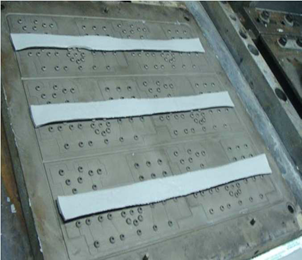
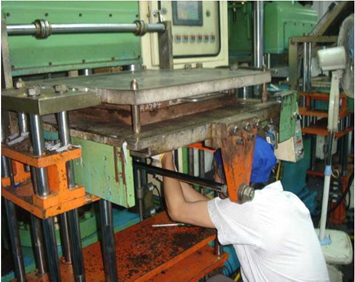
Suitable for most industrial and electronic rubber parts, with high output and stable dimensions, it is one of the mainstream silicone molding processes.

Process Flow:

  • Cut and weigh mixed rubber compound
  • Place into preheated mold cavities
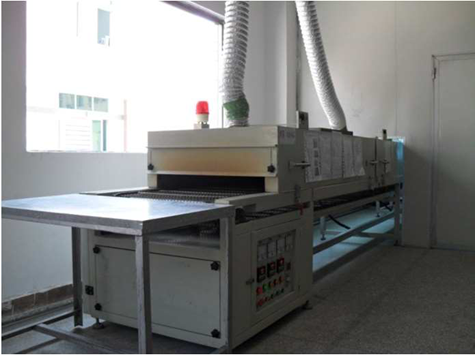
  • Vulcanize and mold under high temperature and pressure
  • Precisely control vulcanization time and temperature
  • Open mold, remove molded parts and inspect

Key Parameters:

Temperature: 160℃~200℃ Precise Pressure Control Vulcanization Time Mgt

Applicable Products:

  • Sealing Rings / O-Rings
  • Shock Pads / Dampers
  • Electronic Rubber Components
High temp/pressure vulcanization for stable dimensional precision
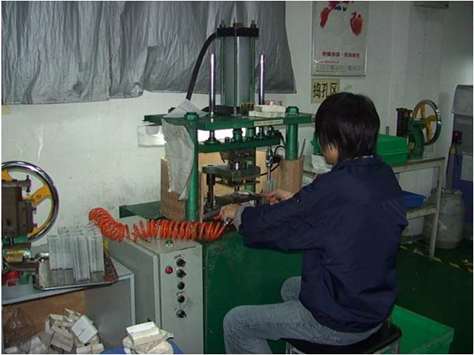
架模
① Mold SetupMold Installation & Preheat
摆料
② Material LoadingCutting & Placement
成型
③ MoldingHigh Temp Pressurization
STEP 04

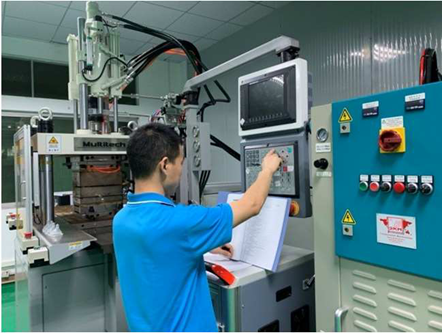
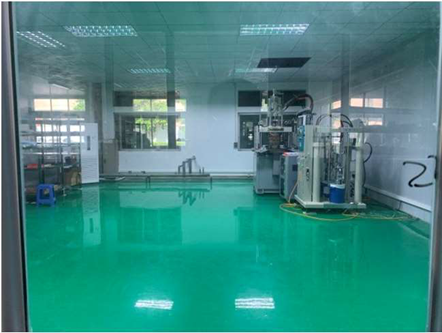
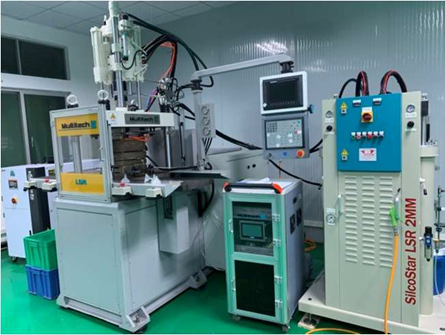
LSR Injection Molding

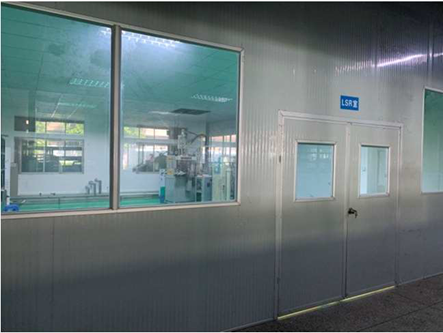
Used for high precision, medical grade and high cleanliness requirement products. Highly automated, flash-free, and stable capacity.

Process Flow:

  • Automatic metering & mixing of 2-part LSR
  • Inject material into closed cold runner molds
  • Fast vulcanization molding at high temperature
  • Auto demolding & precise robotic arm part removal
  • High precision, excellent dimensional consistency
  • Flash-free, no secondary processing needed
  • Suitable for automated mass production
  • Applicable for medical and food-grade items
Applications: Medical silicone products, baby products, precision electronic parts
LSR 工艺图1 LSR 工艺图2 LSR 工艺图3 LSR 工艺图4
STEP 05

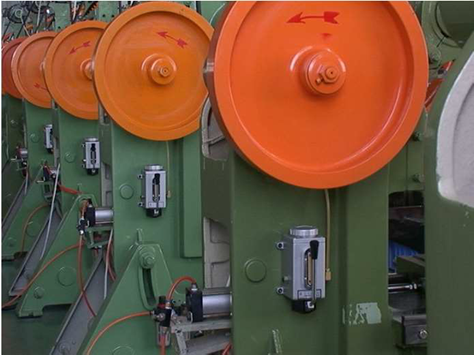
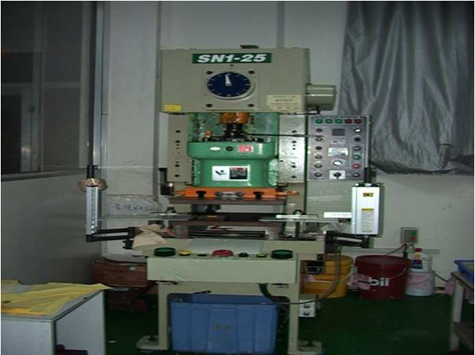
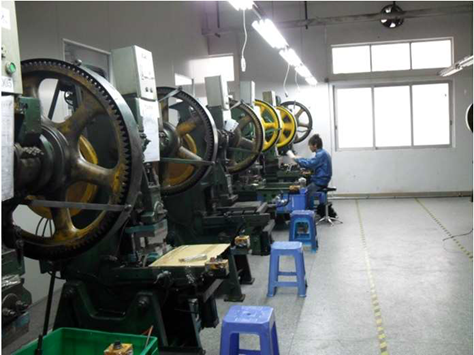
Stamping & Die Cutting

For efficient batch processing of sheet rubber products, clean edges, ideal for regular shaped items like gaskets.

Process Flow:

  • Cut vulcanized rubber sheets to specification
  • Use punching machine with dedicated molds to die-cut
  • Remove scrap, organize products, and inspect dimensions

Applicable Products:

  • Sealing Gaskets
  • Waterproof Washers
  • Buffer Pads
Highly efficient batch processing, clean edges, suitable for regular shapes
冲型工艺图1 冲型工艺图2 冲型工艺图3 冲型工艺图4
STEP 06

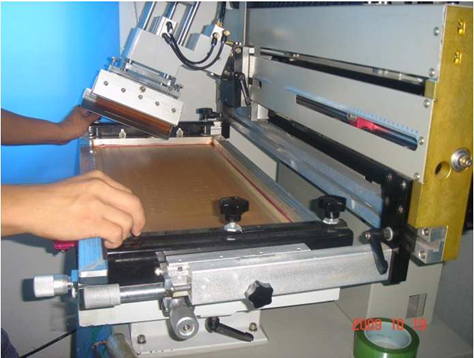
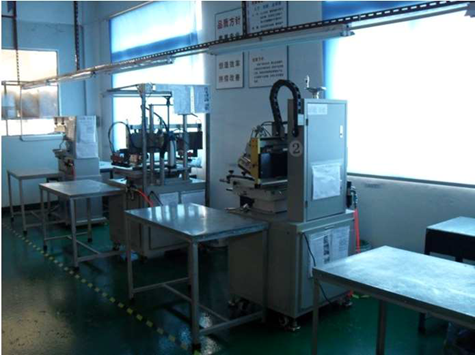
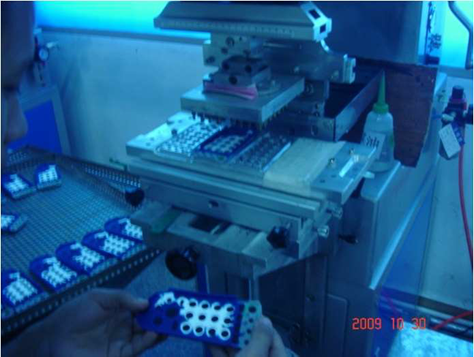
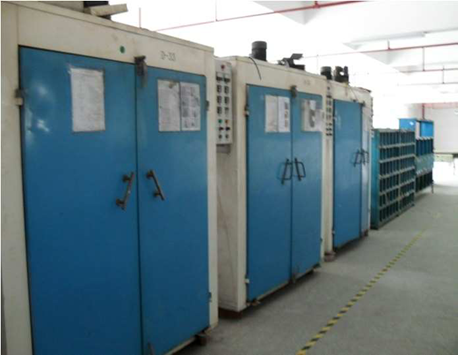
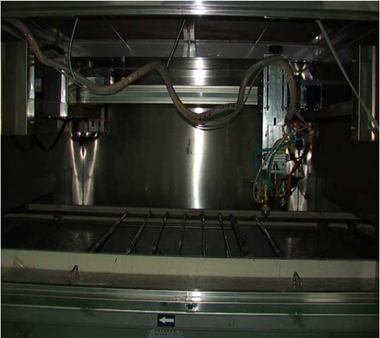
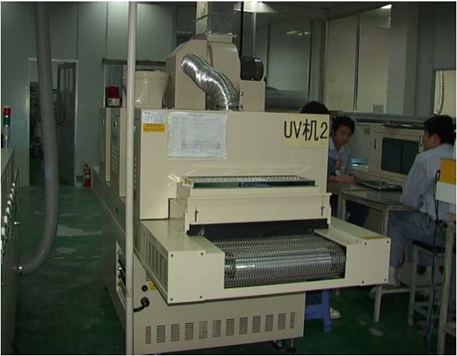
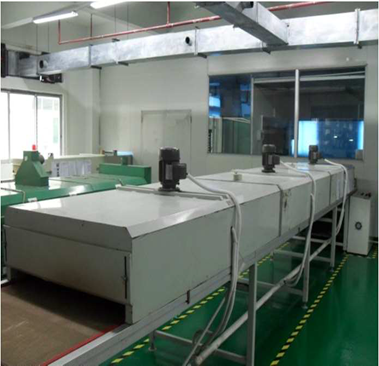
Printing & Spraying

Used for product appearance marking and functional coating treatments to enhance aesthetics and user experience.

Enhance product aesthetics and functionality to meet brand customization needs
STEP 07

Laser Engraving & Finishing

Used for high-precision marking and post-processing to achieve permanent wear-resistant marking and fine appearance quality.

Laser Engraving:

  • Precise laser engraving for LOGOs and patterns
  • Laser marking numbers, scales, and traceability codes
  • Wear-resistant, permanent, non-peeling markings

Finishing Process:

  • Deflashing (Manual / Cryogenic deflashing)
  • Precision polishing to improve surface finish
  • Dimensional trimming to ensure tolerance compliance
Improve product precision and visual quality

Finishing Capabilities

🔬 Laser Precision ±0.05mm
❄️ Cryogenic Deflashing -70°C
✨ Mirror Polishing Ra ≤ 0.2μm
📏 CCD Vision Auto Inspection
STEP 08

Quality Inspection & Control

Strict quality control throughout the entire production process. Multi-dimensional testing ensures every product meets shipping standards before delivery.

Dimensional Measurement

CMM / Optical projector full-size inspection for precise tolerance control

Hardness Testing

Shore hardness tester ensures consistency in every batch

Tensile Strength Testing

Universal testing machine for elongation and tensile modulus

Abrasion & Life Testing

Simulated wear and cycle life evaluation under actual working conditions

Environmental Testing

Stability validation in harsh environments like high/low temp ovens and salt spray chambers

Eco-Compliance Testing

Third-party testing reports for RoHS / REACH / FDA hazardous substances

Full-process quality control, ensuring product stability and reliability, supporting third-party customer audits

Manufacturing Overview Timeline

8 core processes, closely linked, striving for perfection

Material & Formula
Mixing
Compression / LSR
Die Cutting
Print & Spray
Laser & Finish
Quality Insp.
Assy & Shipping